
Why Do Leaves Change Color in Fall? The Science of Autumn Foliage in Illinois
Every fall, Illinois landscapes transform into a dazzling display of gold, crimson, and copper. But behind this seasonal beauty lies an intricate scientific process taking place inside each leaf. The brilliant colors we see in autumn are the result of chemical changes within the leaf as trees prepare for winter dormancy.
Let’s take a closer look at the science behind fall colors—and what makes each hue so unique.
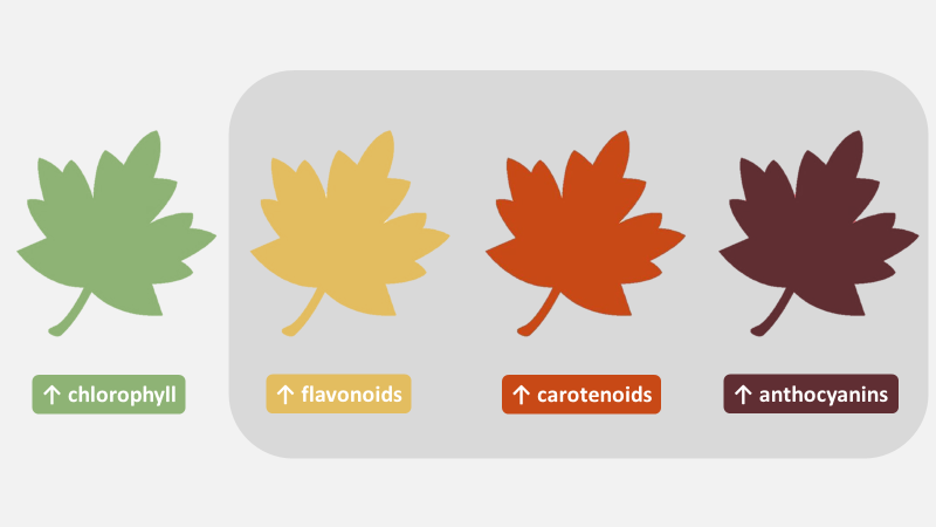
Carotenoids: The Hidden Orange
Carotenoids are the pigments responsible for the warm orange and yellow tones that appear when green fades from the canopy. These pigments are actually present in leaves all year long but are masked by chlorophyll, the dominant green pigment used in photosynthesis.
As days grow shorter and temperatures drop, trees begin to shut down food production for the season. Chlorophyll breaks down, revealing the carotenoids that were there all along. In addition to producing stunning orange hues, carotenoids also play an important role in capturing light energy for photosynthesis during the growing season.

Tannins: The Source of Browns and Coppers
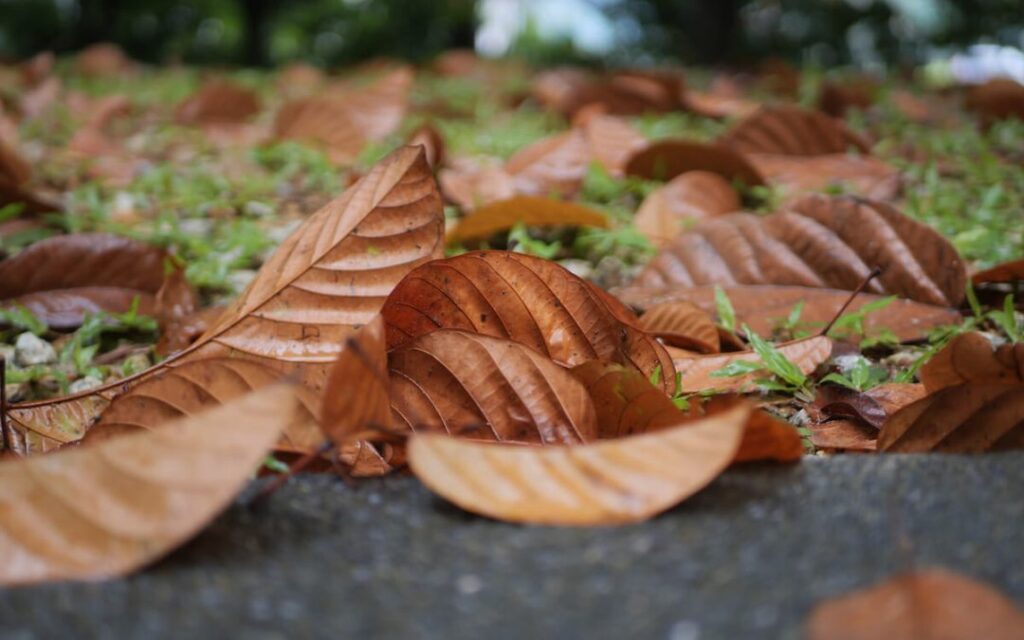
Those rich brown and copper shades—especially common in oak leaves—come from tannins, compounds that serve as a natural defense for trees. Unlike other pigments, tannins don’t help with photosynthesis. Instead, they make leaves taste bitter or unappealing to wildlife.
As leaves die and lose other pigments, tannins remain, leaving behind the familiar brown tones that often mark the end of the fall color display.
Anthocyanins: The Brilliant Reds and Purples
If you’ve ever admired a blazing red maple or deep purple dogwood, you can thank anthocyanins. Unlike carotenoids, anthocyanins aren’t present in leaves year-round—they’re produced in fall as sugars build up and cool nights set in.
This pigment’s production depends heavily on weather. Sunny days and cool (but not freezing) nights tend to produce the most vibrant reds and purples. Anthocyanins also help protect leaves from light damage and may assist the tree in recovering nutrients before the leaves drop.
Because of their dependence on environmental factors, red and purple fall colors can vary dramatically from year to year.

Flavanols: The Golden Glow of Fall
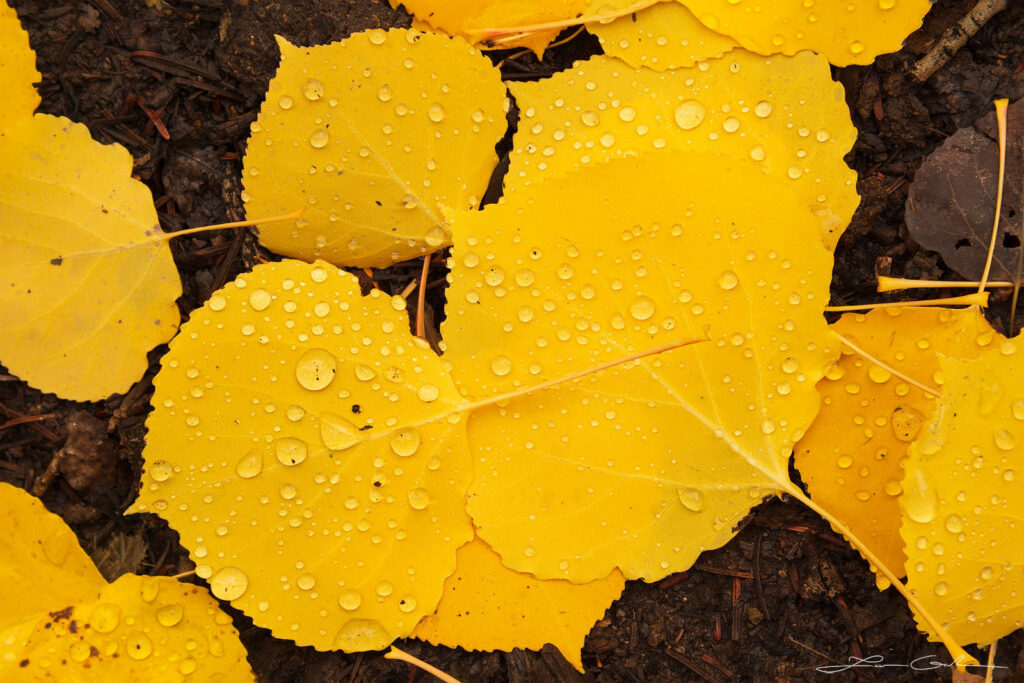
Flavanols are a subgroup of flavonoids that lend leaves their golden yellow tones. Like carotenoids, flavanols are always present but hidden beneath chlorophyll during the growing season.
These pigments are particularly noticeable in birches, hickories, and aspens. Flavanols also act as antioxidants, helping trees cope with environmental stressors such as drought or excess heat. (You can read more about how trees respond to stress in our post on heat stress and trees.)
The Magic of Fall Revealed
Each year, the breakdown of chlorophyll reveals a rich palette of pigments—carotenoids, tannins, anthocyanins, and flavanols—that work together to create the autumn spectacle we know and love. The oranges and yellows we see each year are always there, waiting beneath the green, while reds and purples depend on the unique combination of sunlight, temperature, and moisture.
As you enjoy the vibrant colors this fall, remember that what you’re seeing isn’t just seasonal beauty—it’s part of a complex and vital biological process that helps trees conserve energy and prepare for winter.
If you’d like to learn more about how to keep your trees healthy through every season—from colorful fall transitions to the challenges of winter dormancy—contact the certified arborists at Homer Tree Care for expert guidance and a free consultation.