
Every year on February 2nd, people across the United States and Canada gather at dawn to watch a curious tradition that blends history, folklore, and a touch of whimsy: Groundhog Day. Though the ritual often brings laughs and festive crowds, it also has deeper roots in seasonal lore that dates back centuries — and it gives us a fun way to look forward to spring.
What Is Groundhog Day — and Why Do We Celebrate It?
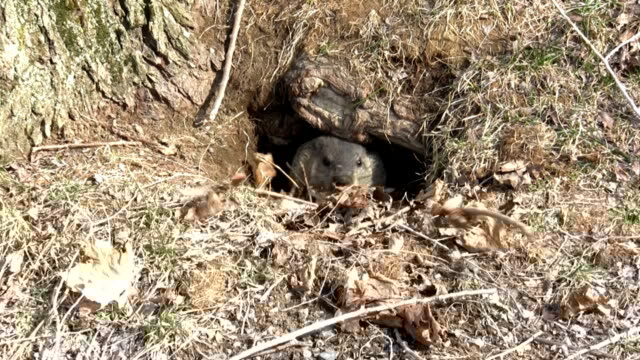
Groundhog Day is a cultural tradition observed each winter on February 2. At the heart of this day is a simple idea: a groundhog emerging from its burrow can “predict” the arrival of spring based on whether it sees its shadow when it comes above ground.
This custom isn’t just a quirky American oddity — it’s rooted in much older European seasonal practices. Long ago, communities in Germany and other parts of Europe marked Candlemas Day (also February 2) as a point halfway between the winter solstice and the spring equinox. On this day, farmers and families looked for signs in nature to guess how much winter was left. If the weather was clear and bright, it was believed winter had more staying power; if cloudy or mild, spring might come early. When German immigrants brought this tradition to the United States, they adopted the groundhog (also called a woodchuck) as the animal symbol for the forecast.
In Punxsutawney, Pennsylvania, the most famous Groundhog Day festival has taken place since 1887, with “Punxsutawney Phil” — the legendary groundhog — at center stage. Phil’s handlers, known as the “Inner Circle,” hold the annual ceremony on Gobbler’s Knob before crowds and cameras.
Groundhog Day 2026: What Was the Prediction?
At the 2026 Groundhog Day ceremony this year in Punxsutawney, Punxsutawney Phil did see his shadow. According to tradition, that signals six more weeks of winter-like weather rather than an early onset of spring.
Different groundhogs across North America sometimes offer slightly varying predictions — in Nova Scotia, Shubenacadie Sam has historically predicted an early spring in some years — but the classic headline moment comes from Punxsutawney, and his forecast was clear: winter isn’t ready to let go just yet.
It’s worth noting that this weather lore is more tradition than science. Historical assessments of Punxsutawney Phil’s accuracy show that his predictions are correct less than half the time when compared with actual seasonal weather patterns.
What Does This Mean for Spring and Trees?
Okay, so what does a groundhog seeing its shadow really mean for your trees and landscape?
In the broadest sense, a prediction of “six more weeks of winter” suggests that colder temperatures, frost cycles, and potentially snow — or at least freezing conditions — could linger into mid-March. While we all long for warmth by late winter, this period is still a critical transitional time for many plants and trees.
Here’s how extended winter conditions can influence trees:
1. Dormancy and Bud Break
Most trees in the Midwest and northern states remain in a deep state of dormancy during late winter. This period of cold helps ensure buds do not break too early when late frosts could damage delicate new growth. Extended chill can actually be beneficial in some respects, helping trees meet their chilling requirements before spring growth begins. Yet it also means that the true visible return of spring — with swelling buds and blossoming — will wait a bit longer.
2. Soil and Root Activity
Below ground, root systems respond to soil temperature more than air temperature. Cold soil delays the resumption of root growth, which can slow early spring nutrient uptake. For homeowners thinking about spring planting or fertilization, this means that timing still matters — even if the calendar suggests spring, the soil isn’t quite ready yet.
3. Winter Damage Potential
Six more weeks of winter weather can mean additional freeze–thaw cycles. These transitions, especially for trees under stress, can lead to bark splitting, ice damage, or dessication (drying out) on evergreens. Staying alert for signs of winter injury and planning proper mulching and watering as temperatures allow can help reduce stress on your landscape.
Groundhog Day Is a Tradition — Not a Forecast
While Punxsutawney Phil’s shadow may grab headlines, weather science relies on complex atmospheric data and models — not folklore — to understand seasonal shifts. Groundhog Day is a whimsical way to mark the slow march toward spring, a cultural moment that encourages us to think about the changing seasons and our connections to the rhythms of nature.
Whether or not you take the prediction literally, the message is the same: winter is still with us, but spring is on the horizon. For tree care professionals and homeowners alike, this means continuing to prepare landscapes for the coming growing season while being mindful of late-winter stresses.